Uburebure bw'Igihe c'Ugukina n'Ico Kigutwara
Igihe amahera yo gukinisha amara ku mahera y'itego runaka, n'ico amasaha agutwara. Ibitigiri abakinyi benshi batigera baharura kandi benshi bokwiye kuharura.
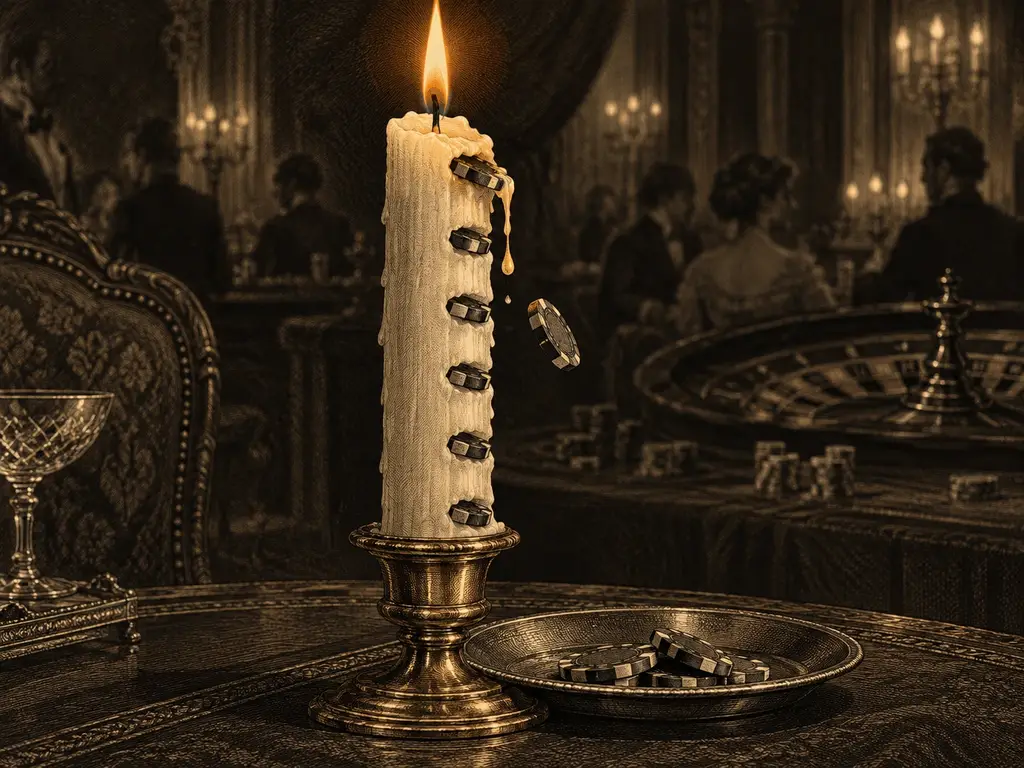
Gutega amahera angana ku matego ya rimwe kuri rimwe bimara, ku mpuzandengo, ukuzunguruka 37 kuri buri tego riri mu mahera yo gukinisha, naho igice c'ibihe vy'ugukina vyose kirangira imbere y'aho; igihombo citezwe ku isaha ni amahera y'itego × ukuzunguruka ku isaha / 37. Ivyo bibiri hamwe bigufasha kumenya igiciro c'umugoroba imbere y'uko utangura.
Igihe amahera yo gukinisha amara
Assume standard single-zerouruzigaZeruAkazu kamwe k'icatsi kibisi kadapfukwa n'itego rya rimwe kuri rimwe, ry'umurwi canke ry'inkingi; ni yo soko y'inyungu ya kazino. Kandi bita: zeru imwe, 0.Soma vyose → rules, independent spinsimibareUkuzunguruka kwigengaUkuzunguruka kwose kugira ugushoboka kumwe n'ivyabaye kera vyose. Ni co gishingiro c'ibiharuro vyose vyo kuri uru rubuga.Soma vyose →, a fixed stake s, a bankrollamaheraAmahera yo gukinishaAmahera yose yashizwe ku ruhande yo gukina. Gucunga amahera yo gukinisha ni uguhitamwo ayo ushobora gushira mu kaga kuri buri tego no kuri buri gihe c'ugukina.Soma vyose → B that is an integer multiple of s, and play continuing until the balance reaches zero. With these assumptions, the bankroll drifts down by s/37 a spin on average and swings by about s a spin either way. The drift alone sets the average: the bankroll lasts 37 × B/s spins, since that is how long it takes to lose B at s/37 a spin. The swings make the lengths uneven. Some sessions die early on a bad run, a few last far longer, and the median, the length half of all sessions fail to reach, sits below the average. A $500 bankroll at $10 (B/s = 50) lasts 1,850 spins on average and 1,364 at the median, about 27 hours at an illustrative 50 spins per hour. At $50 (B/s = 10) the median is 136 spins, under three hours.
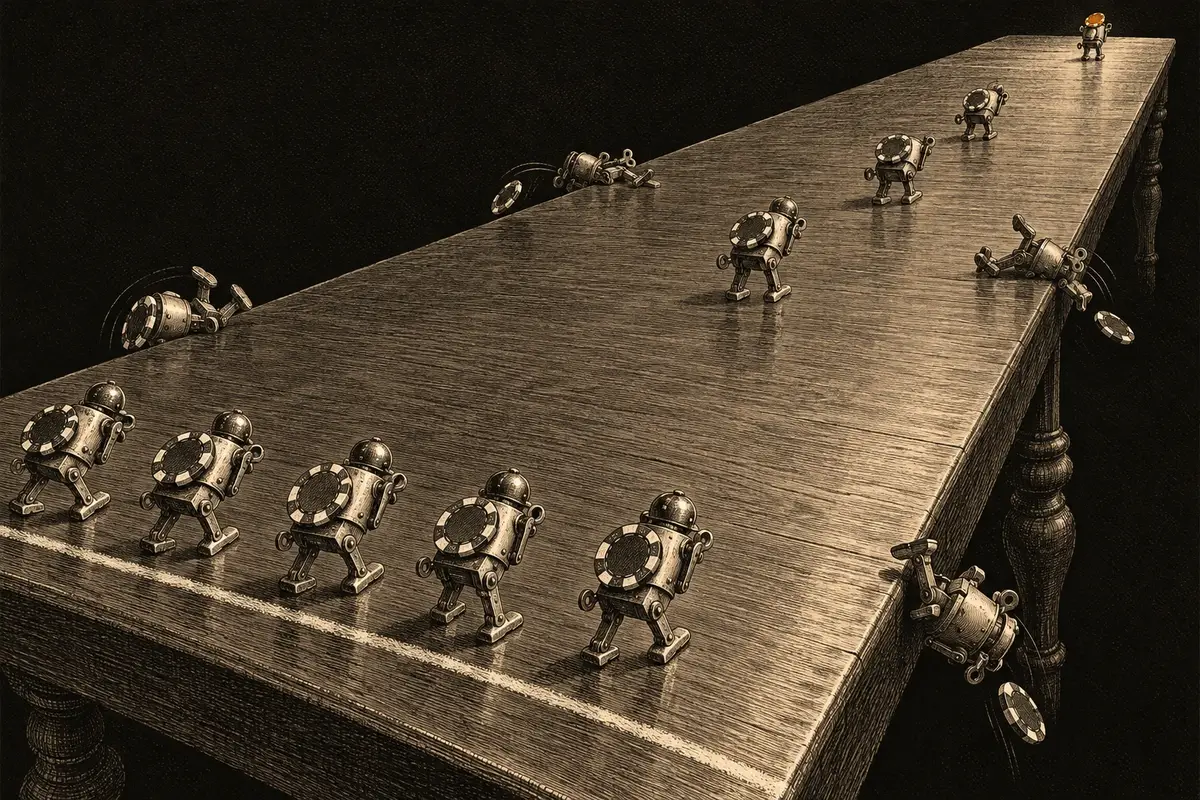
Ico amasaha agutwara
Expected lossimibareIgihombo citezweAgaciro kitezwe gakubwe n'amahera yose yateze; ni amahera y'impuzandengo atakara mu gihe c'ugukina canke mu gihe runaka.Soma vyose → per hour = stake × spins per hour / 37. The two numbers you control are the stake and the pace. If all planned spins are played, $10 standard single-zero bets at 50 spins per hour have an expected hourly loss of $13.51. La partageitegekoLa partageItegeko ry'Ubufaransa: iyo zeru ije, igice c'amahera y'itego rya rimwe kuri rimwe kirasubizwa. Rigabanya inyungu ya kazino kuri ayo matego gushika kuri 1,35%.Soma vyose → on eligible even-money betsitegoItego rya rimwe kuri rimweGitukura/cirabura, igiharwe/igiharuro, binini/bito. Inomero 18, riha 1:1.Soma vyose → reduces that to $6.76. Doubling the pace to 100 spins per hour doubles the standard expected loss to $27.03. These are averages, not hourly fees or loss limits.
Kubishira hamwe
Consider $500 for up to 200 standard single-zero reditegoGitukuraItego rya rimwe kuri rimwe ku nomero 18 zitukura. Mu gifaransa: rouge.Soma vyose → bets. At a fixed $25 stake, the chance of reaching zero within those spins is about 25.9%. A median ruin time of 394 spins therefore does not make a 200-spin session safe. If play stops at ruin or after 200 spins, expected turnoveramaheraIgiteranyo c'amategoIgiteranyo c'amahera yose yateze mu gihe c'ugukina canke mu kiringo, harimwo n'ivyatsinzwe vyongeye gutegwa. Kandi bita: handle, action.Soma vyose → gives an expected loss of about $122.52; $135.14 is the figure assuming all 200 bets are made. At a $10 stake, the ruin probabilityimibareUgushobokaUgushoboka kw'ivyavuyemwo, kuva kuri 0 gushika kuri 1 canke 0% gushika 100%. Inomero imwe: 1/37 = 2,70%.Soma vyose → falls to about 0.143%, with an expected loss of about $54.05. Choose stakes within a loss budget; none of these figures guarantees survival.
- p10 −$500
- p25 −$500
- hagati −$500
- p75 −$50
- p90 +$350
Ibihe vy'ugukina vya straight up
A straight-up bet has much greater variability per unitamaheraIgiceAmahera y'itego y'ishingiro uburyo canke umukinyi akoresha. Iyongerekana ridondorwa mu bice kugira ngo rikore ku meza ayo ari yo yose.Soma vyose → staked than red: standard deviationimibareItandukaniro risanzweUmuzi kare w'ihindagurika ry'ivyavuyemwo; intera isanzwe iri hagati y'ivyavuyemwo n'agaciro kitezwe.Soma vyose → about 5.84 units versus 1. Over a 200-spin single-zero session, a bankroll of 13 fixed red stakes has about a 49.1% chance of ruin. For one straight-up number, 56 stakes gives about 52.7% ruin and 57 stakes about 47.5%. These comparisons depend on the horizon and bet; there is no universal four-times-bankroll rule. With only 20 straight-up stakes, the first 20 spins all miss about 57.8% of the time, ending the session immediately.
Urutonde rw'ibiciro rw'ukuri
Ruleti igutwara amahera y'itego × ukuzunguruka / 37. Ibindi vyose, uburyo bwo gutega, inomero y'amahirwe, itego ryo kwikingira, bigena isura y'umugoroba si igiciro cawo. Umukinyi aharura igiciro mbere agahitamwo amahera y'itego yemera kuriha nta ngorane aba yakoze igice conyene c'ingendo yo gutega gikora.
Ingingo y'imibare
Ibibazo
Nta yo nyayo. Ku mahera yo gukinisha make, ihindagurika ni ryo ririganza kandi igitigiri c'agati kigakura hafi nka (B/s)², nk'ukw'igiceri kitabogamye. Ku menshi, inyungu ya kazino ni yo iganza kandi igitigiri c'agati kikegera impuzandengo, 37 × B/s. Ku matego nka 20, itegeko rya (B/s)² rihurirana n'igitigiri c'agati nyaco, ukuzunguruka 394; munsi y'aho riba rigufi, hejuru y'aho riba rirerire.
Stopping reduces expected turnover and therefore expected loss. A stated stop-lossingendo yo gutegaUrugero rw'igihomboIgitigiri c'igihombo cashinzwe imbere, ushitseko ugahagarika igihe c'ugukina.Soma vyose → can be exceeded by the final losing bet unless the remaining allowance limits that stake. It does not improve the odds of the bets already placed.
La partage halves expected loss per eligible even-money bet. Dividing bankroll by the mean loss per full stake suggests 74 × B/s spins, but this is not an exact session-length formula: half-losses can leave less than a full stake, and table minimums or smaller final bets change the stopping process.
Twinezwe n'Imibare
Banza ubigerageze wewe nyene. Inyishu yose irapfutse; yugurure igihe witeguye.
Start with $500 and bet $10 on reditegoGitukuraItego rya rimwe kuri rimwe ku nomero 18 zitukura. Mu gifaransa: rouge.Soma vyose → on each independent, uniform single-zerouruzigaZeruAkazu kamwe k'icatsi kibisi kadapfukwa n'itego rya rimwe kuri rimwe, ry'umurwi canke ry'inkingi; ni yo soko y'inyungu ya kazino. Kandi bita: zeru imwe, 0.Soma vyose → spin. Stop only when the bankrollamaheraAmahera yo gukinishaAmahera yose yashizwe ku ruhande yo gukina. Gucunga amahera yo gukinisha ni uguhitamwo ayo ushobora gushira mu kaga kuri buri tego no kuri buri gihe c'ugukina.Soma vyose → reaches zero, with no upper target and a bank that can always pay. How many spins does the bankroll last on average?
Erekana inyishu
Inyishu Ukuzunguruka 1.850: ukuzunguruka 37 kuri buri tego muri 50.
Each spin costs, on average, 1/37 of the stake: $10/37, about 27 cents. The bankroll holds 50 stakes, and losing 50 stakes at 1/37 of a stake a spin takes 50 × 37 = 1,850 spins.
The swings do not change this average, because a session can only end at zero and every spin before that costs the same 27 cents on average. They change the spread: half of all sessions are over by spin 1,364, and about one in twenty runs past 5,000, which pulls the average up.
For this fixed-stake even-money random walk, with no upper boundary, the mean time to zero is the initial number of stakes divided by the house edgeimibareInyungu ya kazinoIgice c'amahera y'itego kazino igumana ku mpuzandengo: 2,70% muri ruleti y'i Buraya.Soma vyose →. On a standard double-zero wheel the same $500 bankroll at $10 per spin therefore lasts 50 ÷ (2/38) = 950 spins on average. A time limit, profit target or changing stakes defines a different stopping problem.
Agakuru ko gutwenga
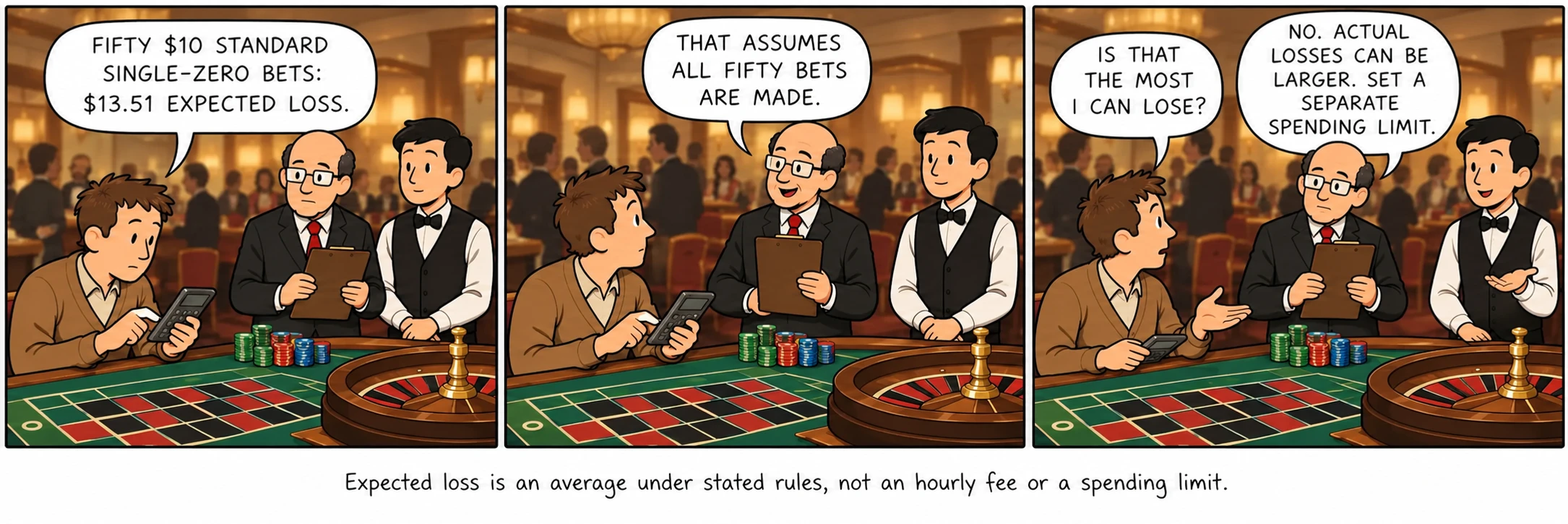
Amahera y'itego × ukuzunguruka / 37. Menya igiciro c'umugoroba imbere y'uko utangura.
Aho Twakuye
- Feller, W. An Introduction to Probability Theory and Its Applications, Vol. 1.
- Ethier, S. N. The Doctrine of Chances: Probabilistic Aspects of Gambling.
- Epstein, R. A. The Theory of Gambling and Statistical Logic, 2nd ed.